Best Wedding Venues in Japan by City: Tokyo, Kyoto, Osaka & More (2026)
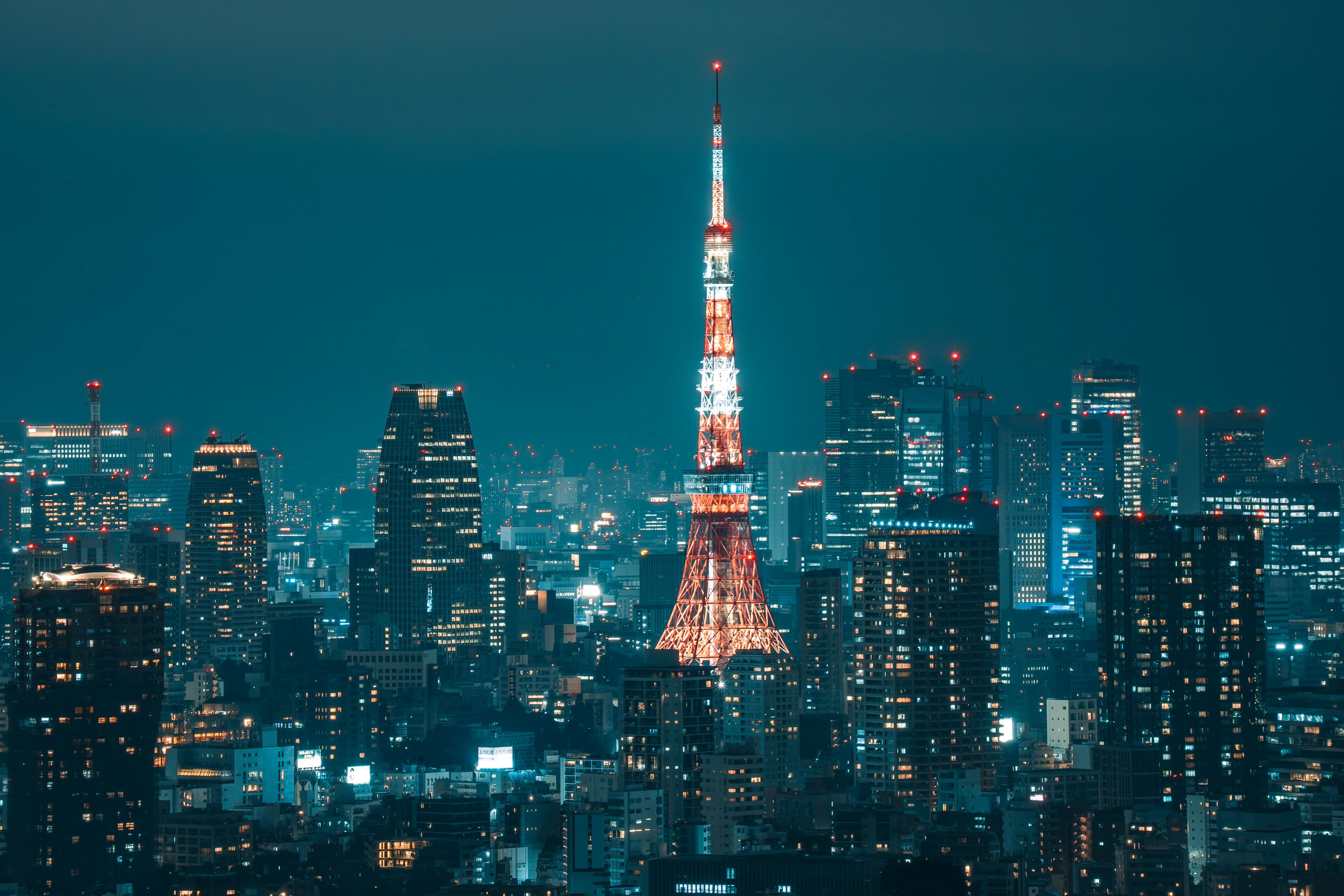
Japan offers international couples something no other destination can match: the chance to marry inside a 1,300-year-old Shinto shrine, exchange vows in a floating ocean chapel, or celebrate in a 400-year-old garden — all with world-class hospitality and cuisine. With the yen hovering near historic lows against Western currencies (roughly ¥150 to $1 USD), 2026 is an exceptional year to plan a Japan destination wedding. This guide covers 14 of the best venues across five regions, with real pricing, capacity details, and practical advice for navigating the process as a foreigner.
The average Japan destination wedding for international couples runs ¥5.5–12 million ($37,000–$80,000) for 30–100 guests, though intimate elopements start around $6,000 and luxury celebrations can exceed $85,000. Spring cherry blossom and autumn foliage seasons command premium pricing and require booking 12+ months ahead. Most couples legally marry in their home country and hold a symbolic ceremony in Japan, sidestepping bureaucratic complexity. For a full walkthrough of the legal process and planning basics, see our guide to getting married in Japan as a foreigner.

Tokyo: Where Tradition Meets the Skyline
See all Tokyo wedding venues →
Tokyo delivers the widest range of venue styles in Japan — from ancient shrine processions through towering forests to sky-high chapels with Tokyo Tower views. The city's international hotel infrastructure makes it the easiest region for first-time visitors to plan a wedding.
Meiji Jingu & Meiji Kinenkan (明治神宮 / 明治記念館)
The most iconic wedding venue in Japan sits inside a 175-acre ancient forest in the heart of Shibuya. The Shinto ceremony at Meiji Jingu includes a procession through towering torii gates, gagaku court music, shrine maidens, and the san-san-kudo sake exchange — the same format used by the Taisho Emperor. After the ceremony, couples move to Meiji Kinenkan, a reception hall dating to 1881, or the newer Forest Terrace with glass-walled banquet rooms immersed in the forest canopy.
Location: 1-1 Yoyogi Kamizono-cho, Shibuya-ku (shrine); 2-2-23 Motoakasaka, Minato-ku (reception hall). Near Harajuku Station. Style: Traditional Shinto ceremony in sacred forest. Capacity: Shrine ceremony fits approximately 40–60 guests; Meiji Kinenkan offers 19 banquet rooms ranging from intimate spaces to a 1,000-guest grand hall. Pricing: Shrine ceremony fee (hatsuhoryo) runs ¥150,000–200,000 (~$1,000–1,300). Full ceremony packages start around ¥750,000+ (~$5,000). Reception packages at Meiji Kinenkan typically range ¥2–5 million (~$13,000–35,000) depending on guest count and customization. Traditional kimono rental adds approximately ¥90,000+ per person. Best season: Spring cherry blossoms and autumn foliage; discount pricing sometimes available on astrologically “unlucky” calendar days (butsumetsu). English support: English website and inquiry forms available; ceremonies are conducted entirely in Japanese by shrine priests, so booking through an English-speaking wedding planner is strongly recommended. Restrictions: Shinto ceremony only at the shrine (Western-style possible at the Kinenkan reception hall). Photography during the ceremony is restricted. The shrine is a major tourist attraction, so onlookers during the procession are common. In-house catering only for receptions.
Happo-en (八芳園)
The name means “garden beautiful from all eight directions,” and this 400-year-old Edo-period estate spanning 33,000 square meters lives up to it. Ancient bonsai trees, koi ponds, and seasonal gardens create what many consider Tokyo's finest wedding backdrop. Happo-en completed a major renovation in October 2025, refreshing its venues and adding a new bridal boutique on Shirokanedai's Platinum Street.
Location: 1-1-1 Shirokanedai, Minato-ku. One-minute walk from Shirokanedai Station; free shuttle from Shinagawa on wedding days. Style: Traditional Japanese garden with multiple ceremony options — Shinto (on-site shrine), chapel (“The Garden” with circular skylight), garden ceremony, or secular “vow-style.” Capacity: Ranges from 8 guests (family wedding plan) to 100+ across multiple venue spaces including KOCHUAN (max 42), MAKI (max 62), and several private rooms. Pricing: Photo-only packages from ¥220,000 (~$1,500). Family wedding plans (up to 39 guests) start at ¥410,000 (~$2,700) for 8 guests, with additional guests at ¥23,000 each. Full wedding packages with cuisine (¥18,700+ per person), drinks, flowers, and coordination typically range ¥2–5 million+. Peak season surcharge of ¥33,000 applies December and March 15–April 15. Best season: Cherry blossom season is most coveted (and carries a surcharge). The garden is stunning year-round. What makes it special: Complimentary rickshaw ride for couples through the garden. Each wedding gets a dedicated producer. In-house Shiseido Beauty Salon. Chefs customize menus based on each couple's story — the “hospitality dish” concept. English support: Full English website; primary operations are Japanese-language, so an English-speaking planner is advisable. Restrictions: No on-site accommodation. In-house catering only.
Hotel Chinzanso Tokyo (ホテル椿山荘東京)
Japan's busiest wedding venue by volume is also one of its most breathtaking. This five-star hotel sits within an expansive Japanese garden famous for seasonal spectacles: cherry blossoms, summer fireflies (the only Tokyo wedding venue offering this), autumn foliage, and a year-round atmospheric “Sea of Clouds” mist effect with nighttime illumination.
Location: 10-8 Sekiguchi 2-chome, Bunkyo-ku. Forbes Travel Guide rated. Style: Luxury hotel with 260 rooms, 36 banquet halls, two chapels, an on-site Shinto shrine with garden views, and outdoor garden ceremony options. Capacity: From 6 guests (small wedding packages) to massive celebrations — the Grand Hall TSUBAKI seats 770 for banquets. Pricing: Japanese-style ceremony package starts at ¥1,760,000 (~$11,700) for 6 guests and ¥2,365,000 (~$15,800) for 20 guests. Western-style packages start at ¥1,815,000 (~$12,100) for 6 guests. These prices include ceremony, three outfit choices, 400 digital photos, hair and makeup, banquet venue, cuisine and drinks, and two nights in a Prime Executive Suite. Pre-wedding photo shoots from ¥722,700 (~$4,800). All prices include tax and service charge. Best season: All seasons are spectacular. Summer fireflies (June/July) are unique to this venue. What makes it special: The only Tokyo venue where you can see a lush garden from inside the shrine. The Entsukaku Pagoda celebrates 100 years in the garden. Multiple restaurants including the Michelin-worthy Ryotei Kinsui for authentic kaiseki. English support: Multilingual wedding planners specifically trained for overseas couples. Website in English, Chinese, Korean, and French. Accommodates “any culture, religion, or philosophy.” Restrictions: Wedding office closed Tuesdays. Pre-wedding shoots limited to Monday/Thursday/Friday. Price revisions scheduled for March and April 2026.
Kyoto: Ancient Elegance in Every Frame
See all Kyoto wedding venues →
Kyoto is where Japan's cultural depth reaches its peak for weddings. UNESCO shrines, former artists' estates, and centuries-old gardens offer backdrops that feel transported from another era. The city rewards couples who want photography-driven celebrations where every angle tells a story.
The Sodoh Higashiyama Kyoto (ザ ソウドウ 東山 京都)
This 6,600-square-meter private estate was built in 1929 as the personal residence of Takeuchi Seiho, one of Japan's greatest painters. Tucked in Kyoto's historic Higashiyama district — steps from Kiyomizu Temple, Yasaka Shrine, and the famous Ninen-zaka stairs — it offers couples exclusive use of the entire property, including lush seasonal gardens, multiple ceremony spaces, and views of the iconic Yasaka Pagoda.
Location: 366 Yasaka Kami-machi, Higashiyama-ku, Kyoto. 13-minute walk from Kyoto Kawaramachi Station; free shuttle from Kyoto Station every 30 minutes. Style: Private mansion wedding blending traditional Japanese architecture with garden elegance. Chapel, garden, rooftop, and Shinto ceremony options available. Capacity: From 4 guests to 150 seated (single venue) and up to 500 with full facility rental across 8+ reception rooms. Pricing: Small group dinner plans start at ¥775,907 (~$5,200) for 10 guests and ¥950,862 (~$6,300) for 20 guests. Standard 50-guest plans run approximately ¥2,181,772 (~$14,500). Significant seasonal promotions are available: up to ¥1,300,000 off for spring 2026 bookings and ¥800,000 off for summer. Best season: Spring cherry blossoms and autumn foliage are extraordinary. Summer offers discounted rates but is hot and humid. What makes it special: One room was built specifically for admiring the Yasaka Pagoda. Washoku cuisine (UNESCO Intangible Cultural Heritage) is updated four times yearly. Chefs personally ask each guest about preferences. Partnerships with Kyoto's most famous shrines (Kamigamo, Shimogamo, Yasaka) for traditional ceremonies with reception back at the estate. English support: Dedicated English-language destination wedding website and online consultations. Legal wedding assistance provided. Minimum 3-month preparation timeline. Restrictions: Closed Tuesdays. No on-site parking or accommodation. In-house catering only. Dress fittings require an in-person Japan visit at least 2 days before the ceremony.
Kamigamo Shrine (上賀茂神社 / 賀茂別雷神社)
One of Kyoto's oldest shrines — a UNESCO World Heritage Site with over 1,300 years of history — Kamigamo offers an authentic Shinto wedding experience that is remarkably accessible to international couples. The grounds contain two National Treasures and 41 Important Cultural Properties, with the famous twin sand cones and a magnificent romon gate creating an atmosphere of profound solemnity.
Location: 339 Kamigamo Motoyama, Kita-ku, Kyoto. Style: Traditional Shinto shinzen-shiki ceremony with full ritual: purification, processional, sake exchange, sacred branch offering, and shrine maiden bell ringing. Capacity: Hosodono ceremony hall holds up to 48 guests. Garden and outdoor spaces accommodate 300+ for receptions. Pricing: Daytime ceremony at Hosodono costs ¥100,000 (~$670); evening ceremony ¥150,000; Main Hall (National Treasure) ceremony ¥200,000 (~$1,330). Through English-speaking planners like Kyoto Weddings, a complete ceremony-plus-kimono package runs approximately ¥650,000 (~$4,330). English interpreter available for ¥30,000. Best season: Spring and autumn, though note significant blackout dates in May (Aoi Matsuri festival) and October. What makes it special: The evening ceremony option (YOINO-YUI) takes place after the main gate closes to visitors, ensuring complete privacy — an extraordinary experience. The Main Hall where emperors have worshipped is normally inaccessible to the public. English support: English wedding pages on the shrine website. No religious requirements — “you will never be asked about your religious beliefs.” Multiple dedicated planners serve international couples: Kyoto Weddings (operating since 1998), WAKON STYLE (serves all couples regardless of orientation), and Hotel Granvia Kyoto. Payment via PayPal/credit card possible through planners. Restrictions: Kimono is standard and expected. Professional photography during the ceremony only through designated photographers. Numerous blackout dates throughout the year. No on-site catering — reception must be arranged separately. Cancellation fee applies.
Shozan Resort Kyoto (しょうざんリゾート京都)
Sprawling across 35,000 tsubo (approximately 115,000 square meters) at the foot of Mt. Takagamine, Shozan is a nature-immersed garden resort that feels miles from civilization while sitting within Kyoto city limits. Founded in 1951 on land once belonging to the celebrated Edo-period artist Honami Koetsu, it features bamboo groves, the Kamiyagawa River, plum groves, and two exclusive mansion wedding venues — each hosting only one couple per day.
Location: 47 Kinugasa Kagamiishicho, Kita Ward, Kyoto. 30–40 minutes by taxi from Kyoto Station. Style: Choose between Nobele Villa Garden (Western-style timber-framed chapel with garden terrace, French cuisine) or Nord Court Sisuien (relocated Edo-period mansion with Japanese-modern aesthetic, traditional cuisine). Capacity: Family weddings from 6–29 guests; standard weddings 40–90 guests; larger halls up to 700. Pricing: Family wedding plans from ¥449,900 (~$3,000) for 10 guests. Standard 50-guest plans around ¥1,870,460–2,620,460 (~$12,500–17,500), with promotional discounts of up to ¥750,000 available. Best season: Early spring for plum blossoms, late March–April for cherry blossoms, November for spectacular maple foliage. Summer offers kawadoko riverside dining and fireflies in June. What makes it special: Complete private use for the entire day. On-site hotel accommodation — a significant advantage for destination guests. Deep connections to Japanese wedding attire culture through its origins as a kimono company. Both French and traditional Japanese cuisine prepared by dedicated chefs. English support: Has hosted international couples successfully, but no dedicated English wedding website — using a bilingual planner is essential. Restrictions: No elevator to chapel (stairs required). Outside wedding dresses may not be permitted. Northern Kyoto location requires advance transport planning.

Osaka: Underrated and Unforgettable
See all Osaka wedding venues →
Osaka flies under the radar for destination weddings, which works in couples' favor — less competition for dates, lower pricing than Tokyo or Kyoto, and a vibrant food-obsessed city that guarantees guests an extraordinary experience beyond the ceremony.
Swissôtel Nankai Osaka (スイスホテル南海大阪)
This 36-story five-star hotel sits directly above Namba Station, Osaka's entertainment hub, offering walkable access to Dotonbori and Shinsaibashi while providing full-service wedding facilities. Two Western-style chapels, a Shinto shrine hall, and a dramatic three-story atrium ceremony option give couples genuine flexibility.
Location: 5-1-60 Namba, Chuo-ku, Osaka. Directly above Nankai Railway's Namba Station; 35-minute direct train to Kansai International Airport. Style: Modern luxury hotel with multiple ceremony formats — Western chapel, Shinto, or dramatic lobby atrium. Capacity: Atrium ceremonies up to 100 guests; 17 function rooms accommodating 10 to 1,400 guests. Pricing: Small chapel ceremonies from approximately ¥300,000 (~$2,000); full hotel wedding packages up to ¥2,000,000+ (~$14,000+). Honeymoon promotion includes a complimentary 2-night stay at a sister Accor hotel worldwide (valued at ~¥440,000). Best season: Year-round availability; spring and autumn offer the most pleasant weather. What makes it special: IGLTA-accredited — explicitly welcomes and hosts LGBTQ+ weddings, dedications, and vow renewals. Complete one-stop-shop experience with in-house dress fitting, photography studio, and beauty salon. English support: English-speaking wedding team that specifically caters to destination weddings. Online planning available for overseas couples. Restrictions: Standard 2-hour party window for banquets.
Osaka Geihinkan (大阪迎賓館)
Built as a state guest house for the 1995 APEC summit and used as the dinner venue for the 2019 G20 Osaka Summit, this is where heads of state dine — and where couples can celebrate inside Osaka Castle Park. The Japanese-style architecture is modeled on the Shiro-shoin of Nijo Castle, and the views of Osaka Castle's keep from the Nishinomaru Garden setting are simply unreplicable.
Location: 2 Osaka-jo, Chuo-ku, Osaka. Inside Nishinomaru Garden, Osaka Castle Park. Style: Traditional Japanese architecture with prestige cultural heritage. Japanese-French fusion cuisine under a Zagat-awarded chef. Capacity: Up to approximately 150 guests. Pricing: Custom quotes through VMG Hotels & Unique Venues (consultation salon at Grand Front Osaka, 17th floor). Premium pricing befitting the venue's historical significance. Best season: Spring cherry blossoms in Nishinomaru Garden are spectacular. What makes it special: The only wedding venue inside Osaka Castle Park — 400 years of history converge in a single setting. Cultural performance options include kagami biraki (sake barrel opening), geiko/maiko, and koto performances. A “SHOGUN Wedding” concept allows samurai armor photo opportunities. English support: Bilingual staff, online meeting consultations, and VMG's Hong Kong office for Asian-based couples. Dietary accommodations (vegetarian, halal) available. Restrictions: Located within the garden, so admission is required. Advance reservation minimum 15 days before event. In-house catering only. Some restrictions on dancing may apply due to historic site considerations.
Okinawa: Where the Ocean Becomes Your Altar
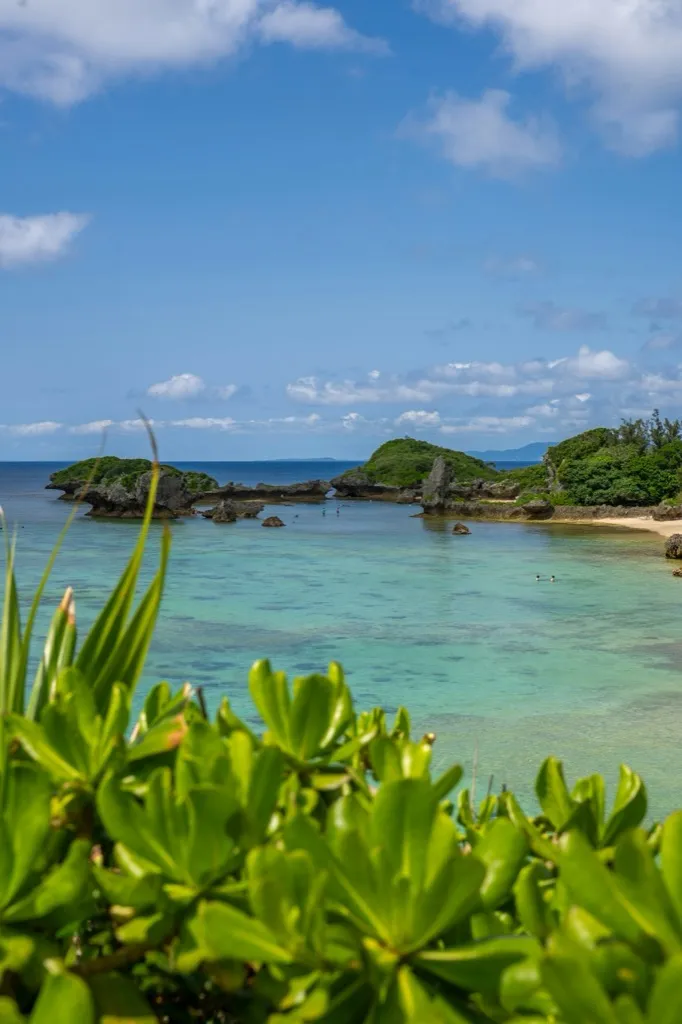
Okinawa is Japan's answer to Hawaii — turquoise waters, white-sand beaches, and a subtropical climate that rarely dips below 20°C. The island chain has developed a thriving destination wedding industry with purpose-built oceanfront chapels, resort packages that bundle everything, and a large international community that makes it one of the most foreigner-friendly regions in Japan. Ceremony-only packages start as low as ¥77,000 (~$500) through agencies, making Okinawa the most accessible entry point for Japan weddings.
Lazor Garden Alivila — Cristea Chapel (ラソール ガーデン・アリビラ クリスティア教会)
A white European Gothic-style glass chapel that appears to float on the sea, Cristea Chapel is defined by its Swarovski crystal aisle that catches and scatters sunlight as the couple walks its 12-meter length. Floor-to-ceiling glass walls on all four sides deliver 180-degree ocean panoramas. Adjacent to Hotel Nikko Alivila, a Mediterranean-style resort in Yomitan Village — home to some of Okinawa's most transparent water.
Location: 614 Gima, Yomitan Village, Okinawa. Approximately 70 minutes from Naha Airport. Style: Oceanfront glass chapel with European Gothic influences. Capacity: Chapel seats up to 60 guests; 1F banquet hall handles 31–150 guests; three 2F rooms accommodate 6–30 each. Pricing: Ceremony packages from ¥253,000 (~$1,700). Additional photography, bouquet, dress rental, and hair and makeup packages available. Seven daily time slots from 10:30 to 19:30. Best season: March–May and October–November avoid rainy season (June) and typhoon risk (July–September). What makes it special: The Swarovski crystal aisle is iconic and creates a mesmerizing effect with sunlight streaming through the glass walls. Private beach access for post-ceremony photos. The chapel is a well-known Okinawa landmark visible to passersby. English support: Foreign-language staff available (primarily English and Chinese). Popular with Asian international couples. Online planning coordination for overseas bookings. Restrictions: Only assigned photographers can shoot during ceremonies. Bring sunglasses for late afternoon ceremonies — intense light through glass walls. In-house catering only.
Southern Chapel Kiranah Resort Okinawa (サザンチャペル キラナリゾート沖縄)
Operated by Novarese, one of Japan's most prestigious wedding companies, this hilltop resort chapel in southern Okinawa offers panoramic Pacific views from a lush elevated setting. What distinguishes it from the oceanfront chapels further north is the deliberate integration of Okinawan cultural traditions — live sanshin music, yachimun pottery, and regional cuisine — alongside modern production values.
Location: Nanjo area, southern Okinawa. Operated by Novarese. Style: Hilltop resort chapel surrounded by forest, with ocean-view terraces and two distinct reception halls. Capacity: Packages offered for 6 guests and 20 guests, with larger groups accommodated on request. Pricing: Consultation-based through Novarese bridal salons. Premium plans include course meals, all-you-can-drink, costume rental, photography, and hair and makeup. Ceremony-only and photo-only plans also available. Best season: Year-round subtropical climate; spring and autumn optimal. What makes it special: Every wedding is bespoke — no standardized bridal fairs, only personalized consultations. Okinawan cultural elements (sanshin, local pottery, kariyushi wear) woven throughout. Surrounded by enchanting forest that feels like a private sanctuary. Kimono rental available for parents; kariyushi for guests. English support: Full English website; international-friendly through Novarese's established processes. Restrictions: Outside vendors not permitted. Advance booking essential.
Art Grace Ocean Front Garden Chapel (アートグレイス オーシャンフロント ガーデンチャペル沖縄)
Located within the Sheraton Okinawa Sunmarina Resort in Onna Village, this chapel is designed to appear as if floating on the ocean. A 16.5-meter marble aisle — one of Okinawa's longest — stretches toward the sea beneath an 8-meter-high ceiling. The altar faces an unbroken panorama of emerald water and sky.
Location: 66-1 Aza Fuchaku, Onna-son, Okinawa. Within Sheraton Okinawa Sunmarina Resort. Style: Modern floating-on-ocean chapel with glass-covered banquet rooms overlooking the East China Sea. Capacity: Medium-large chapel; resort has 200+ guest rooms. Pricing: Ceremony packages from ¥242,000–253,000 (~$1,600–1,700). Full plans including dress and photography from approximately $3,150. Non-hotel guests pay an additional ¥22,000 fee. Best season: March–May and October–November. What makes it special: Sunmarina Beach holds Japan's highest environmental rating (“AA” from the Ministry of the Environment). Full resort amenities — marine activities, spa, restaurants — keep guests entertained. Marriott brand service standards. English support: International-standard service through the Sheraton brand. English website available. Okinawa's large international community enhances overall foreign-friendliness. Important note: The hotel underwent temporary closure through May 31, 2026 for repairs; reservations for June 2026 onward are open. Regular closing days are Monday and Tuesday from January 2026. Restrictions: Wedding photography on resort grounds including the beach must be organized exclusively through the bridal salon (Best Anniversary).
Beyond the Cities: Japan's Most Unforgettable Settings
The venues outside major cities demand more logistical effort but reward couples with experiences that feel genuinely once-in-a-lifetime — a Frank Lloyd Wright disciple's masterpiece chapel, a lakeside shrine with Mt. Fuji behind it, or a centuries-old ryokan where guests sleep on tatami and bathe in hot springs.
Hakone Shrine (箱根神社)
Founded in 757 AD, Hakone Shrine is set within an ancient forest of 600-year-old cedar trees on the shores of Lake Ashinoko. Its iconic vermillion torii gate standing in the lake — with Mt. Fuji rising behind on clear days — creates one of Japan's most extraordinary wedding photo backdrops. The shrine is revered as a power spot for matchmaking (en-musubi), giving the ceremony layers of cultural meaning.
Location: 80-1 Motohakone, Hakone, Kanagawa Prefecture. Within Fuji-Hakone-Izu National Park. Approximately 90 minutes from Tokyo. Style: Ancient Shinto shrine in lakeside mountain forest. Traditional shinzen-shiki ceremony. Capacity: Ceremony hall maximum 34 persons including the couple — inherently an intimate or micro-wedding venue. Receptions arranged at affiliated ryokans and hotels in Hakone. Pricing: Consultation-based through Hakohana (the shrine's exclusive wedding salon). Typical Shinto shrine ceremony fees run ¥200,000–500,000 (~$1,400–3,500). Post-ceremony ryokan receptions in Hakone range ¥3–9 million (~$20,000–60,000) for ~50 guests. The nearby Fujiya Hotel (established 1878) also offers combined shrine ceremony and hotel reception packages. Best season: Autumn offers the best combination of foliage, cooler temperatures, and clear skies for Mt. Fuji visibility. Early mornings year-round provide the clearest Fuji views. Winter offers the sharpest mountain vistas. What makes it special: Over 1,260 years of history. The lakeside torii gate is an extraordinarily dramatic wedding photo location. Hakone is one of Japan's premier onsen resort areas, so couples can follow their ceremony with a luxury hot spring honeymoon. English support: Hakohana's website has English pages. Several international wedding planners regularly coordinate ceremonies here. However, the Shinto ceremony itself is in Japanese — an interpreter is advisable. The Fujiya Hotel was originally built for foreign guests and has over 140 years of international hospitality experience. Restrictions: Maximum 34-person capacity limits this to intimate ceremonies. Access involves climbing 90 stone steps (alternative gentle slope and elevator available). Weather changes quickly in the mountain setting. Hakohana salon closed Tuesdays.
Jinya Ryokan (元湯 陣屋) — the Immersive Ryokan Wedding
For couples who want their wedding to be a complete cultural immersion rather than a single event, Jinya offers something no Western venue can replicate: a “one-night, two-day” wedding experience where guests sleep on futons in tatami rooms, bathe in onsen hot springs, wear yukata robes, and enjoy multi-course kaiseki prepared by an award-winning chef. The flagship reception venue, Genjiyakata, is a 300-year-old building renovated into a Japanese-modern celebration hall with a private garden.
Location: Tsurumaki Onsen, Hadano City, Kanagawa Prefecture. Just one hour from Shinjuku on the Odakyu Line — remarkably accessible for a venue that feels completely removed from city life. Style: Traditional luxury ryokan with bamboo groves, koi ponds, onsen baths, and a famous “Totoro tree.” Japanese-modern aesthetics throughout. Capacity: Genjiyakata handles 30–120 guests. Multiple smaller venues accommodate 6–50. Full ryokan buyout hosts up to 60 overnight guests and 100 reception guests. One private wedding per day ensures exclusivity. Pricing: Private rental from ¥990,000 (~$6,600). Two-person weekday packages from ¥297,000 (~$2,000); weekends from ¥352,000. A 16-guest package starts at ¥1,972,720 (~$13,150); 40+ guests from ¥3,353,130 (~$22,350). Additional guests from ¥29,500 each. Meals, photography, florals, and entertainment are priced separately. Best season: Spring cherry blossoms and autumn foliage are both exceptional. Onsen is particularly magical in winter with steam rising in cold air. What makes it special: A documented 2024/2025 wedding hosted 80+ guests from multiple continents, incorporating kagami biraki sake barrel breaking, mochi pounding, and matsuri-style cocktail hour with yakitori and onigiri. Chef Fujimoto's kaiseki uses seasonal, locally sourced ingredients. The proximity to Tokyo is a major practical advantage — guests can travel from central Tokyo without requiring a domestic flight or lengthy train journey. English support: Dedicated English-language wedding website. Successfully hosted large international weddings. Works with English-speaking planners including 37 Frames. Restrictions: Book well in advance — one wedding per day. Brief guests unfamiliar with ryokan customs beforehand (shoe removal, futon sleeping, communal bathing). Some rooms have limited accessibility.
The Hilltop Terrace Nara (ザ・ヒルトップテラス奈良) — Honorable Mention
Located inside Nara Park near Kasuga Taisha Shrine, this venue offers chapel, garden terrace, and outdoor ceremonies at the foot of Mt. Wakakusa — with Nara's famous free-roaming deer potentially wandering into photos. Surrounded by UNESCO World Heritage Sites including Todaiji Temple and Kofukuji Temple, it provides similar cultural depth to Kyoto at lower prices and with fewer crowds. Marketed to overseas couples through JAPAN WEDDING agency with English/Japanese concierge service. Accommodation partners include the century-old Nara Hotel and the JW Marriott Hotel Nara.
How Pricing Actually Works for Japan Weddings
Understanding Japan's wedding pricing structure prevents sticker shock and helps couples budget accurately. The system differs meaningfully from Western norms. For complete budgets by guest count and city, see our Japan wedding cost guide.
Venue packages in Japan are typically all-inclusive to a base level. Hotel and dedicated venue packages commonly bundle ceremony space, basic décor, cuisine, standard drinks, table settings, and an in-house coordinator. However, shrine and temple ceremonies are priced separately from receptions — the ceremony fee (typically ¥100,000–500,000) covers only the ritual itself, while dining, photography, florals, and everything else must be arranged independently.
The biggest hidden cost for international couples is the wedding planner. At non-hotel venues, a bilingual planner is not optional — it is essential for navigating language barriers, cultural nuance, and vendor coordination. Independent planners typically charge ¥500,000–2 million (~$3,500–13,000), while luxury planners take 10–20% of total budget.
Per the 2024 Bridal Soken survey, the average Japanese couple spent ¥3.44 million (~$23,000) on ceremony and reception. International destination weddings run higher because they involve more customization, planner fees, and logistics. A realistic breakdown for a mid-range 50-guest destination wedding looks like this: venue and catering at ¥2–5 million, planner at ¥500,000–1.5 million, photography and video at ¥390,000–1.3 million, attire and kimono at ¥100,000–600,000, florals and décor at ¥200,000–500,000, with total spend landing between ¥5.5–12 million (~$37,000–80,000).
One critical cultural difference: Japanese guests traditionally give cash gifts (goshugi) of approximately ¥30,000 per person, which significantly offsets costs for local couples. International wedding guests will not follow this custom, so couples should budget without expecting goshugi contributions. Japan also has no tipping culture — service charges of 10–15% are built into venue pricing, and additional gratuities are unnecessary and sometimes considered rude.
Choosing the Right Venue Type
Each venue category offers distinct advantages for international couples, and the choice ultimately depends on what you want the experience to feel like.
Hotel weddings are the safest and most convenient option. Everything — ceremony, reception, accommodation, catering — happens under one roof with professional coordinators who handle logistics. International hotel brands like the Ritz-Carlton, Park Hyatt, Four Seasons, and Hyatt offer English-speaking wedding teams and familiar service standards. The tradeoff is that large hotels run multiple weddings per day, and the experience can feel formulaic. Best for couples prioritizing convenience over uniqueness, or those with many international guests who need straightforward logistics.
Shrine and temple ceremonies deliver the most authentically Japanese experience. They are also among the most affordable ceremony options (¥100,000–500,000 for the ceremony alone). The limitations are real: small capacity (often 30–50 guests maximum), ceremonies conducted in Japanese, strict protocols and dress codes, photography restrictions, and the fact that not all shrines accept foreign couples. Working through a planner with established shrine relationships is essential. Receptions must be booked separately at restaurants or hotels.
Garden and estate venues like The Sodoh and Happo-en split the difference — they offer the beauty and cultural depth of a traditional Japanese setting with the convenience and capacity of a modern wedding venue. These tend to be the most photogenic options and provide exclusive private use, but require in-house catering and often lack on-site accommodation.
Purpose-built chapels, especially in Okinawa, are the most accessible option for couples who want a beautiful ceremony without navigating cultural complexity. They are designed specifically for weddings, offer English support, and provide clear package pricing. The “priest” is typically an actor rather than clergy, and the ceremony follows a Western format set against a Japanese backdrop.
Ryokan and resort weddings create the most immersive multi-day experience. They work exceptionally well when the entire guest group is invited to stay, transforming the wedding into a shared cultural adventure. Logistics are more complex, capacity is limited, and remote locations may challenge some guests — but the memories are incomparable.
When to Get Married in Japan: The Seasonal Equation
Timing a Japan wedding involves balancing beauty, weather risk, pricing, and availability. The two premium seasons — cherry blossoms (late March–mid April) and autumn foliage (late October–early December) — command the highest prices and require the earliest booking, but they also deliver the most spectacular backdrops. Our season-by-season guide to when to get married in Japan goes month by month.
Cherry blossom timing is notoriously unpredictable. Peak bloom lasts only 5–7 days at each location and varies yearly. For 2026, the Japan Meteorological Corporation forecasts first bloom in Tokyo around March 19–20 with full bloom by March 26–27, and Kyoto first bloom around March 23 with full bloom by April 1. Couples should build flexibility into their schedule and accept that a rain or wind event can shorten the window dramatically.
Autumn foliage is the more reliable choice. Colors last 2–4 weeks per area (versus roughly one week for cherry blossoms), peak timing is easier to predict, temperatures are comfortable at 15–25°C, and there are fewer tourists than spring. Kyoto and Tokyo typically peak in late November.
The rainy season (tsuyu) runs from early June through mid-July for most of Japan (mid-May through late June in Okinawa). Typhoon season spans May through October, peaking in August and September, with Okinawa, Kyushu, and the Pacific coast most affected. These periods carry genuine risk for outdoor celebrations, though indoor venue availability remains unaffected.
Budget-conscious couples should consider May (excellent weather, post-cherry-blossom, pre-rainy season), September (comfortable temperatures, fewer crowds), or winter (December–February, the most affordable season with serene snow-covered shrine aesthetics). Mountain venues like Karuizawa run 10–15°C cooler than Tokyo in summer, making July and August viable there even when cities swelter.
What Every International Couple Needs to Know
Legal marriage in Japan is purely administrative. No ceremony — shrine, chapel, or otherwise — has any legal standing. Couples register at a municipal government office by submitting a kon-in todoke (marriage registration form), valid passports, and a Certificate of No Impediment from their home country's embassy. The process can be completed same-day if documents are in order. Most international couples legally marry in their home country and hold a symbolic ceremony in Japan, which avoids embassy visits, Japanese-language paperwork, and potential bureaucratic complications.
For a detailed walkthrough, see our guide to getting married in Japan as a foreigner.
A bilingual wedding planner is not a luxury — it is a necessity for venues outside international hotel chains. Even venues with English websites conduct most operational coordination in Japanese. Experienced planners include 37 Frames/Destination Wedding Japan, Kyoto Weddings (operating since 1998), Elope in Japan, WAKON STYLE, and Nomad Weddings. Expect to invest ¥500,000–2 million for their services.
Booking timelines matter. For cherry blossom or autumn foliage weddings at popular venues, book 12+ months ahead. Standard bookings should be made 9–12 months in advance; off-peak seasons allow 6–9 months. Send save-the-dates to international guests at least 6 months before the wedding — they need time to arrange flights, accommodation, and potentially visas.
Common mistakes to avoid: assuming English is widely spoken at venues; trying to coordinate everything remotely without a local planner; planning outdoor ceremonies during rainy or typhoon season unknowingly; assuming a shrine ceremony makes you legally married; not confirming whether a specific shrine accepts foreign couples; and underestimating tattoo policies at onsen venues.
For guests, Japan's world-class rail system (including the Shinkansen bullet train) makes inter-city travel straightforward. Many venues offer shuttle services from major stations. A cultural briefing covering shoe removal etiquette, onsen customs, and the cash-based nature of many Japanese businesses will help international guests navigate comfortably.
The Bottom Line for 2026
Japan's destination wedding scene has matured significantly, with dedicated English-language planning services, foreigner-friendly shrines, and venue packages designed for international couples. The weak yen makes 2026 particularly attractive — what once cost $40,000 at ¥110/USD now runs approximately $27,000 at ¥150/USD for equivalent services.
The right venue depends on what you want your wedding to mean. For cultural gravitas, a Shinto ceremony at Kamigamo Shrine or Meiji Jingu is unmatched. For photographic drama, The Sodoh's Yasaka Pagoda views or Hakone Shrine's lakeside torii deliver. For effortless luxury, Hotel Chinzanso or Andaz Tokyo handle every detail. For tropical ease, Okinawa's glass chapels offer beauty without complexity. And for a wedding your guests will talk about for decades, a full ryokan buyout at Jinya — where everyone sleeps on tatami, soaks in hot springs, and breaks open a sake barrel together — creates something no other destination on earth can replicate.
Start with your non-negotiables: guest count, season, ceremony style, and budget. Then let Japan surprise you with how many extraordinary ways there are to say “I do.”
FAQ
What are the best wedding venues in Japan for foreigners?
The most foreigner-friendly venues include Andaz Tokyo (bilingual planners on staff), Hotel Chinzanso Tokyo (multilingual wedding team), Happo-en (400-year-old garden with full wedding coordination), The Sodoh Higashiyama Kyoto (dedicated English destination wedding program), and Okinawa's resort chapels. International hotel brands and venues with established English-speaking planner partnerships are the safest choices.
How much does a wedding venue cost in Japan?
Venue costs range widely. Shrine ceremony fees run ¥100,000–500,000 ($670–$3,500). Hotel wedding packages start around ¥1.5–3 million ($10,000–$20,000) for small groups. Full destination weddings for 50 guests typically cost ¥5.5–12 million ($37,000–$80,000) total including venue, catering, planner, photography, and attire. Okinawa chapel ceremonies start as low as ¥77,000 ($500).
Can foreigners have a Shinto wedding in Japan?
Yes, many shrines welcome international couples regardless of religious background. Kamigamo Shrine in Kyoto explicitly states couples will never be asked about religious beliefs. Meiji Jingu in Tokyo and Hakone Shrine also accept foreign couples. However, not all shrines do, so confirm through a bilingual planner with established shrine relationships. Ceremonies are conducted in Japanese, so an interpreter is recommended.
What is the best season for a wedding in Japan?
Cherry blossom season (late March–mid April) and autumn foliage (late October–early December) are the most popular and most expensive. May and September offer excellent weather at lower prices. Avoid the rainy season (June–mid July) and peak typhoon months (August–September) for outdoor celebrations. Winter offers the lowest prices with beautiful snow-covered shrine aesthetics.
Do I need a wedding planner for a Japan wedding?
For venues outside international hotel chains, a bilingual wedding planner is essential. Most venues conduct operational coordination in Japanese even if they have English websites. Planners handle vendor negotiation, cultural navigation, timeline coordination, and day-of logistics. Expect to invest ¥500,000–2 million ($3,500–$13,000) for their services.
Is a wedding ceremony in Japan legally binding?
No ceremony in Japan (Shinto, chapel, or otherwise) has legal standing. Legal marriage requires submitting paperwork at a municipal government office. Most international couples legally marry in their home country and hold a symbolic ceremony in Japan, which avoids bureaucratic complexity. Confirm current requirements with your home country's embassy in Tokyo.
How far in advance should I book a Japan wedding venue?
For cherry blossom or autumn foliage weddings at popular venues, book 12+ months ahead. Standard bookings should be made 9–12 months in advance. Off-peak seasons may allow 6–9 months. Send save-the-dates to international guests at least 6 months before the wedding.
Official Sources and References
- Meiji Kinenkan Weddings
- Happo-en Weddings
- Hotel Chinzanso Tokyo Wedding Plans
- Andaz Tokyo Weddings
- The Sodoh Higashiyama Kyoto Destination Weddings
- Kamigamo Shrine Weddings
- Sheraton Okinawa Sunmarina Resort Weddings
- Kiranah Resort Okinawa
- Hakone Shrine Weddings (Hakohana)
- Japan Ministry of Justice (Marriage Registration)