How We Planned Our Own Multi-City Wedding in Japan: Tokyo, Kyoto, and Hakuba
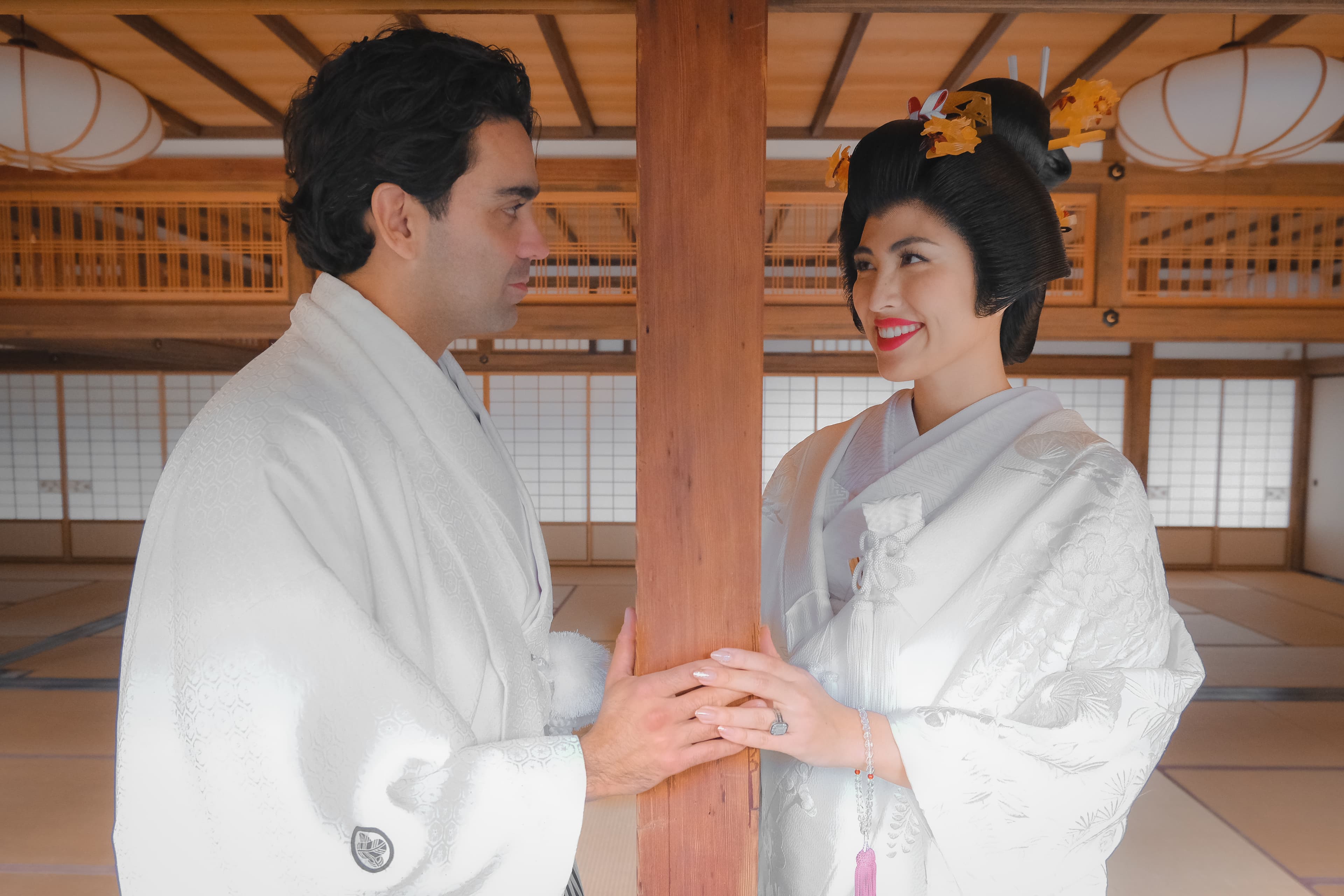
The one wedding we couldn't hand to a planner
Most couples plan one wedding in their life. We plan them constantly, for other people. So our own wedding came with a strange pressure: we already knew every way it could go wrong, every vendor who overpromises, every logistics gap that turns a beautiful day into a stressful one. We could not hand the work to anyone. We were the planners.
That turned out to be the most useful lens we could have brought to it. We did not want a single perfect day in a single venue. We wanted the thing we most often build for clients and most believe in: a celebration that moves. One guest list, three cities, three completely different experiences of Japan, stitched into one trip people would remember for the rest of their lives.
Here is how we did it, city by city, and what it cost.
| Trip length | About 12 days |
| Cities | Tokyo, Kyoto, Hakuba |
| Guests | 100+ across the trip (40 to 50 in Hakuba) |
| Ceremony | Buddhist, symbolic, at Taizo-in (Myoshinji), Kyoto |
| Reception | Dhawa Yura Kyoto |
| Attire | Kimono |
| Hosted cost | ~$37,000 USD (≈ ¥5.9M / ≈ A$52,400) |
Tokyo: the warm-up
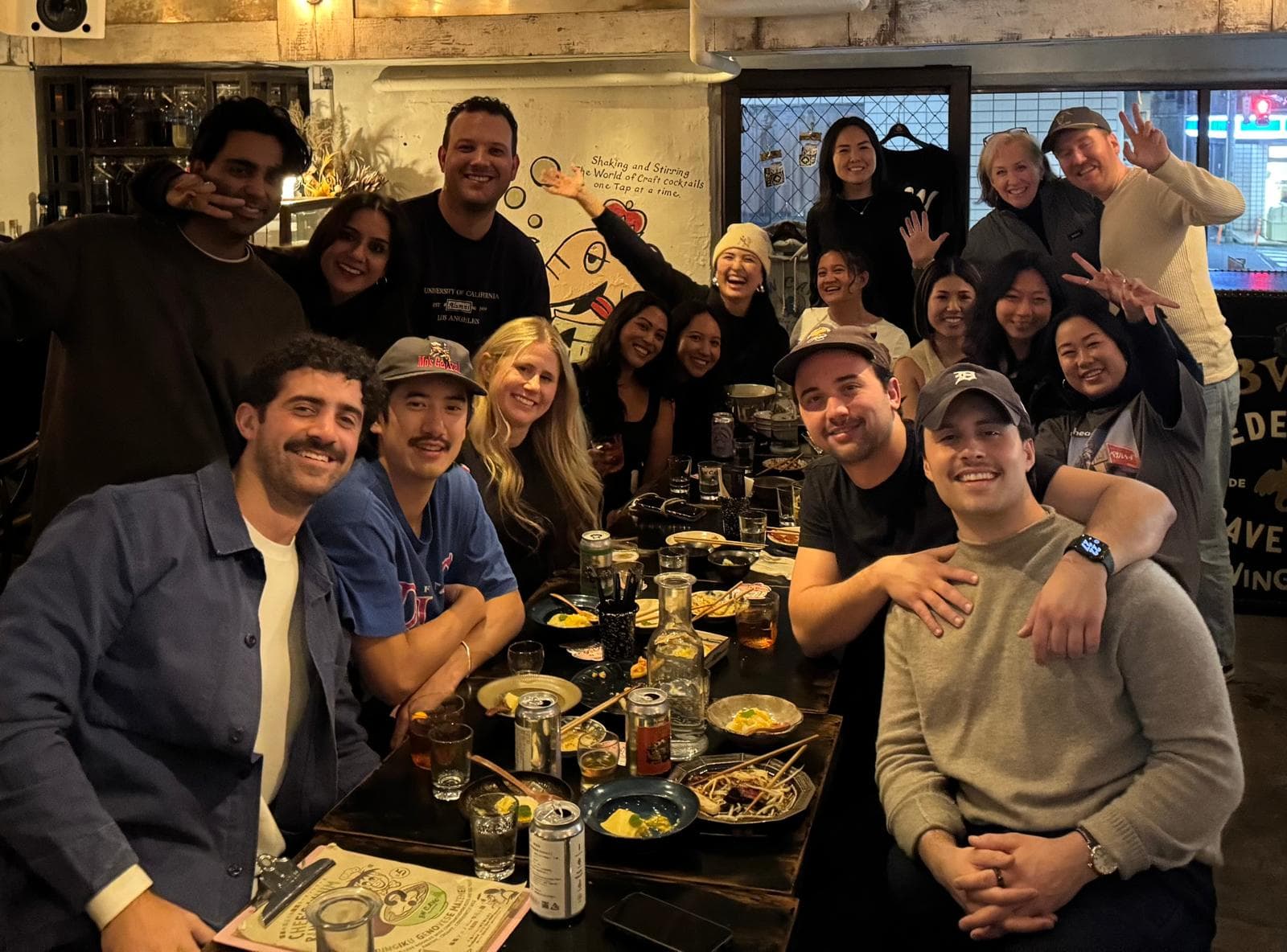
We opened in Tokyo, because Tokyo is where most international guests land and the easiest place to gather a large group before anything formal begins. The first night set the tone. We hosted welcome drinks at Swig in Shibuya and covered the bar for everyone, then moved the whole group to a large private karaoke room with an open bar until late. Nobody had jet lag by the end of it. They had a story.
The next few days were deliberately loose. Group dinners at restaurants we love, shopping, sightseeing, and the small Tokyo music bars that most guests would never find on their own. None of it was a “wedding event.” All of it was the wedding, in the sense that it gave 100 people from different countries a few days to become one group before the ceremony.
Kyoto: the ceremony
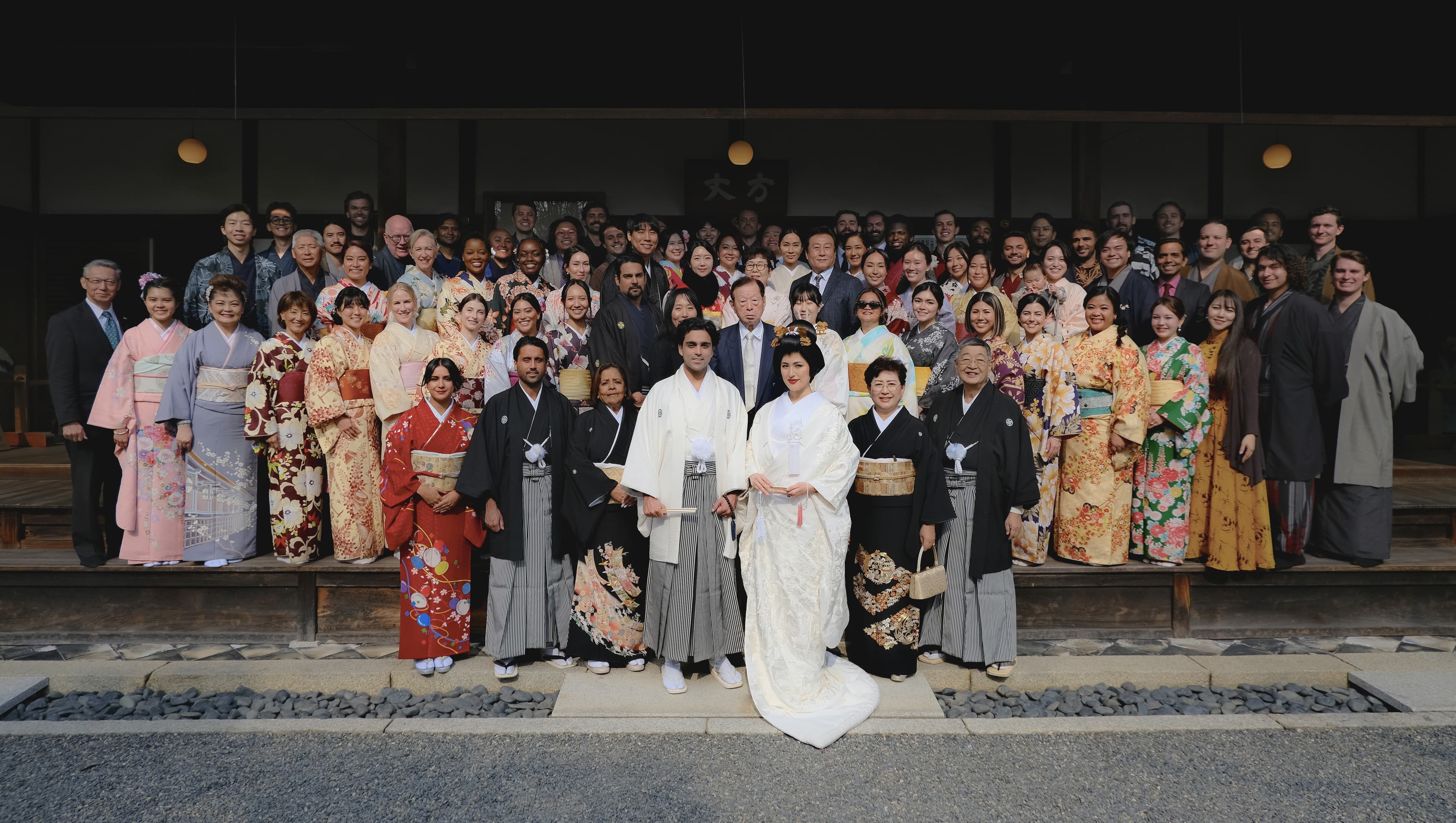
After Tokyo we took the group down to Kyoto and spent three days there. This was the heart of the trip.
The night before the wedding we split the group. The men went to an Irish pub, which Eamon loves and which is exactly as un-Kyoto as it sounds, and that was the point. The women spent the evening on beauty and getting ready. No grand bachelor or bachelorette production, just the version of it that fit us.
We held the ceremony at Taizo-in, a sub-temple within Myoshinji, in a Buddhist ceremony. We wore kimono. The ceremony was symbolic: we had already legally married in California beforehand, which is the route most international couples take, because it separates the paperwork from the celebration and lets the day in Japan be about the day rather than a ward office. If you want the legal side explained properly, we wrote a full guide to getting married in Japan as a foreigner.
The kimono, for us, our families, and our guests, came from Yamano, who also handled hair, makeup, and bridal beauty on the day. Photography and videography were both shot by Juan.
From the temple we moved to our reception at Dhawa Yura Kyoto. And from the reception, because this was our group, we went clubbing in Kyoto until four or five in the morning.
Hakuba: the celebration nobody expects
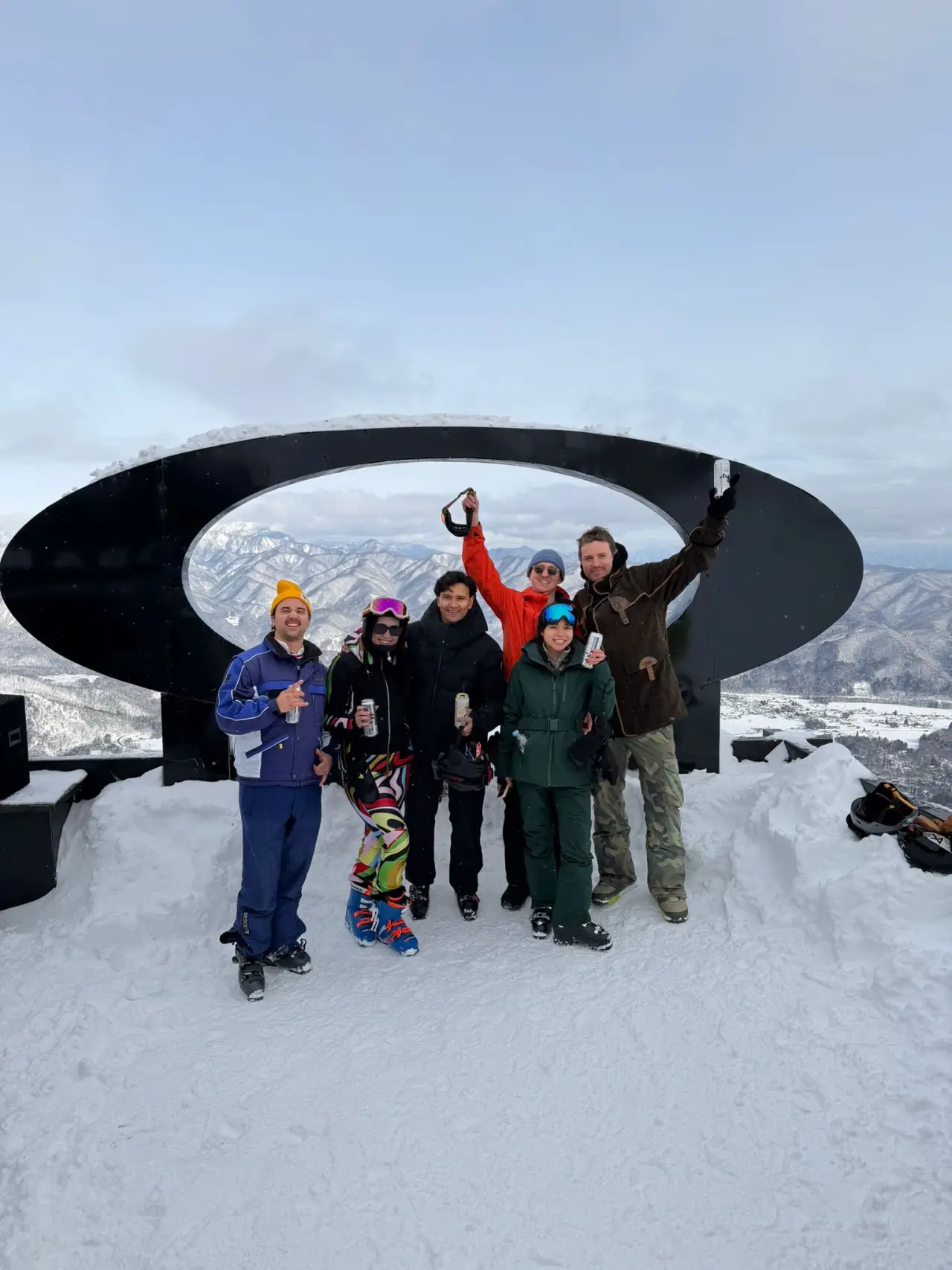
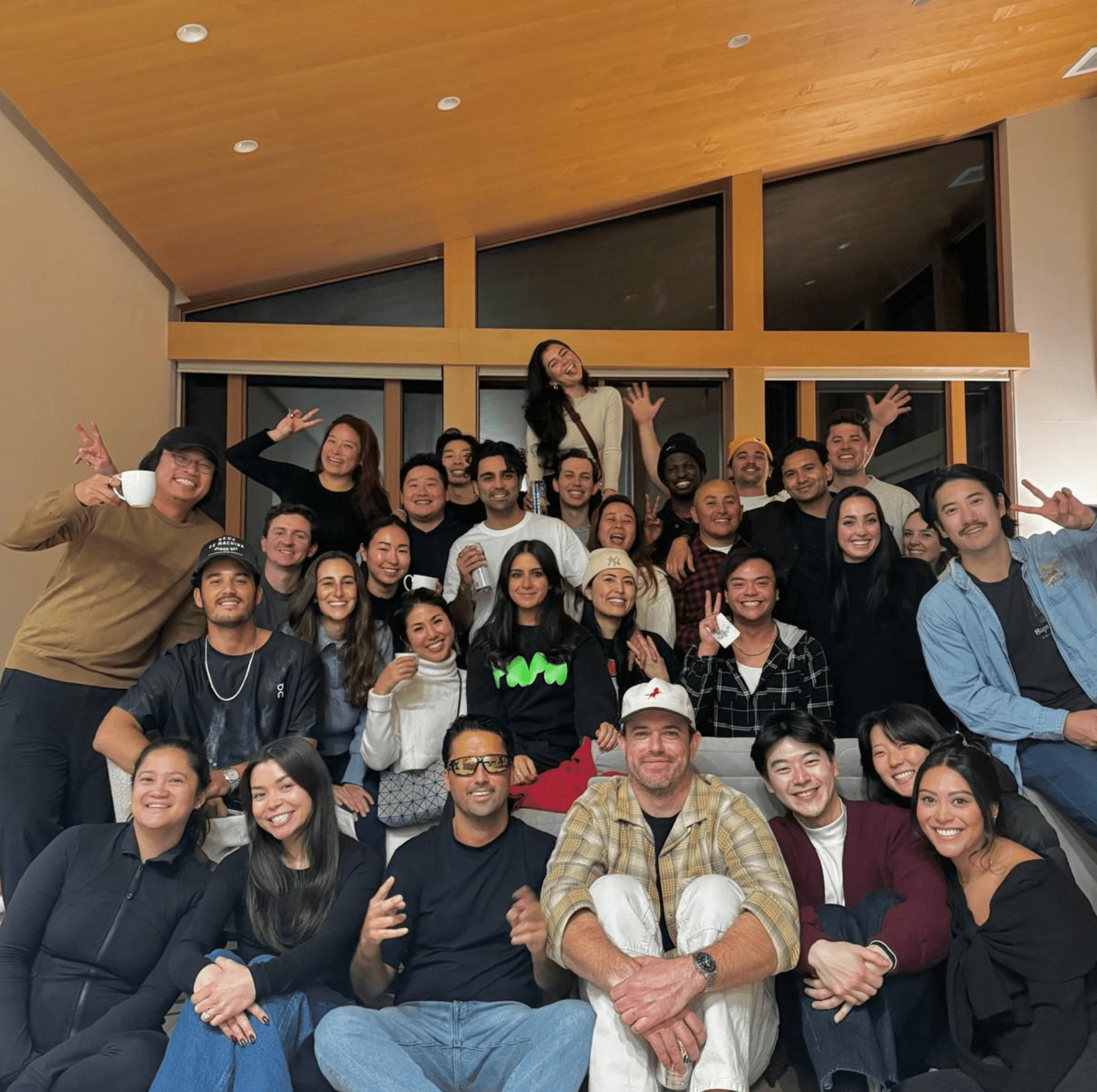
Most weddings end at the reception. Ours moved to the mountains. After Kyoto we took everyone up to Hakuba, the alpine region in Nagano, for the final stretch.
We booked three large chalets that slept 40 to 50 people, and guests chipped in for their own beds. We skied for three days, ate extremely well, ramen and curry and long chalet dinners, soaked in onsen, and drank a lot of beer. To get everyone from the train to the village we chartered a private bus from Matsumoto station up to Hakuba, which is the kind of small logistics decision that quietly saves a group of 50 a great deal of confusion.
This is the part of our wedding people still talk about. Not because it was the most formal, but because it was the most us, and because almost nobody expects a Japan wedding to end on a chairlift.
What it cost
These are our real hosted costs in 2026. “Hosted” means what we paid to put the celebration on. It does not include what guests paid for their own flights, their own hotel rooms, their own chalet beds, or their own lift passes, which we cover separately below. Converted at approximately ¥160 and A$1.42 to the US dollar (June 2026).
| Item | USD | JPY | AUD |
|---|---|---|---|
| Ceremony, Taizo-in (Myoshinji) | $2,000 | ¥320,000 | A$2,840 |
| Reception, Dhawa Yura Kyoto | $8,000 | ¥1,280,000 | A$11,360 |
| Kimono, us + families + guests (Yamano) | $5,000 | ¥800,000 | A$7,100 |
| Photography (Juan) | $1,500 | ¥240,000 | A$2,130 |
| Videography (Juan) | $1,500 | ¥240,000 | A$2,130 |
| Hair, makeup, bridal beauty (Yamano) | $1,000 | ¥160,000 | A$1,420 |
| Welcome drinks, Swig Shibuya (whole group) | $2,000 | ¥320,000 | A$2,840 |
| Private karaoke room, open bar | $1,000 | ¥160,000 | A$1,420 |
| Group dinners across the trip | ~$10,500 | ¥1,680,000 | A$14,910 |
| Bachelor night, Kyoto Irish pub | $1,000 | ¥160,000 | A$1,420 |
| Chartered bus, Matsumoto to Hakuba | $800 | ¥128,000 | A$1,140 |
| Our shinkansen (Tokyo to Kyoto to Hakuba) | $800 | ¥128,000 | A$1,140 |
| Our accommodation, Tokyo + Kyoto | $1,800 | ¥288,000 | A$2,560 |
| Total hosted | ~$37,000 | ¥5,900,000 | A$52,400 |
What each guest budgeted on top of that: their flights to Japan; shinkansen at roughly $200 USD per leg per person; their own hotels in Tokyo and Kyoto; their share of a Hakuba chalet bed; a ski pass at about $60 USD per day; and ski rental at about $200 USD. A destination wedding spreads cost across the people who attend, which is part of what makes a celebration like this reachable. For a full breakdown of what weddings in Japan cost at every size, see our destination wedding cost guide.
How a planner thinks about a wedding like this
A few things we did on purpose, that we would tell any couple considering a multi-city wedding:
We anchored the whole trip to one ceremony city and built outward. Kyoto was fixed first. Tokyo became the arrival and warm-up because of the airports. Hakuba became the finale because it gave the trip a second emotional peak after the reception.
We hosted the social spine and let guests fund their own travel. Covering welcome drinks, the reception, group dinners, and the things that make people feel looked after, while guests booked their own flights and rooms, is what keeps a 100-guest celebration affordable for the couple without feeling cheap to the guest.
We chose a symbolic ceremony and registered legally at home. That single decision unlocked the temple, the timing, and the freedom to design the day around the experience instead of the paperwork.
We removed the friction points before they appeared. The chartered bus from Matsumoto is a small example. Multiply that across a 12-day, three-city trip with a hundred people, and the difference between a smooth celebration and a stressful one is entirely in the logistics nobody sees.
We do not only plan multi-city weddings. We plan elopements, single-venue celebrations, and everything between. This is simply the version we believe in most, and the one we chose for ourselves.
Frequently Asked Questions
How much does a multi-city wedding in Japan cost?
Our own three-city celebration for more than 100 guests cost about $37,000 USD in hosted spend, meaning what we paid to put it on, not including guest travel and accommodation. Costs vary widely with guest count, cities, and season. Smaller and single-city celebrations cost considerably less.
Can you get married in Japan if you are already legally married elsewhere?
Yes. Many international couples register their marriage legally at home and hold a symbolic ceremony in Japan. A symbolic ceremony carries no legal standing in Japan, but it gives you full freedom over location and timing. Confirm your own legal requirements with your home country's registrar or your embassy.
Can foreign couples have a Buddhist wedding ceremony in Japan?
Yes. We held a symbolic Buddhist ceremony at Taizo-in, a sub-temple of Myoshinji in Kyoto, wearing kimono. Temple ceremonies usually require advance booking and coordination, which is part of what a local planner arranges.
How many days do you need for a multi-city Japan wedding?
Our trip ran about 12 days across three cities. That is on the longer end. A two-city celebration can work comfortably in seven to ten days, depending on travel time between locations.
Do wedding guests pay for their own travel at a destination wedding in Japan?
Typically yes. At our wedding, guests funded their own flights, hotels, chalet beds, and ski passes, while we hosted the ceremony, reception, welcome drinks, and group dinners. This is standard for destination weddings and keeps the celebration affordable for the couple.
When is the best time of year for a multi-city wedding in Japan?
It depends on the cities. For a trip that includes the mountains and skiing, winter works. For cherry blossoms, late March to early April. For autumn colour and stable weather, October and November. We cover this in detail in our season-by-season guide.
Vendors and credits
- Kimono, hair, makeup, and bridal beauty: Yamano
- Photography and videography: Juan, Juan the Film
- Ceremony: Taizo-in, Myoshinji, Kyoto
- Reception: Dhawa Yura Kyoto
Official sources and references
- U.S. Embassy and Consulates in Japan, marriage information
- Your home country's marriage registrar, for couples registering legally before or after a symbolic ceremony in Japan.
- Getting Married in Japan as a Foreigner
- Best Wedding Venues in Japan
- Destination Wedding Cost Guide
- When to Get Married in Japan